We develop novel algorithms for multi-scale biomedical data fusion — working at the intersection of machine learning, genomics, imaging, and clinical medicine, primarily in oncology and cardiovascular disease.
Medical Digital Twin
We are building a medical digital twin — a computational model that integrates a patient's multi-scale data (genomics, imaging, clinical records, wearables) to create a personalized virtual replica. This model can simulate disease trajectories and predict treatment responses, moving AI from single-modality prediction to holistic patient modeling.
Our framework, published in Lancet Digital Health (2025), defines the architecture and clinical applications of this approach for precision medicine.

Computational Pathology
We develop deep learning models to analyze whole-slide histopathology images for cancer diagnosis, subtype classification, and survival prediction. A key focus is linking pathology phenotypes directly with molecular data to reveal multi-scale disease mechanisms.
Recent work includes predicting spatial gene expression from H&E slides using linearized attention (Nature Communications, 2024) and generating synthetic pathology tiles from RNA-seq data via cascaded diffusion models (Nature Biomedical Engineering, 2025).
See related publications →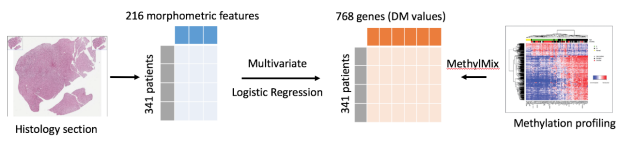
Quantitative Imaging & Radiogenomics
We develop a framework for non-invasive personalized medicine by linking radiomic features from CT, MR, and PET images with genomic data. This imaging genomics approach reveals how tumor imaging phenotypes reflect underlying molecular biology.
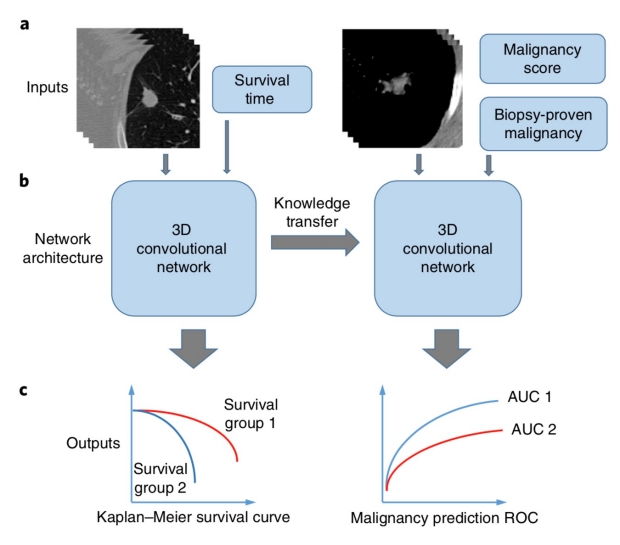
Key results include LungNet — a shallow CNN predicting lung cancer survival from multi-institutional CT data, published on the cover of Nature Machine Intelligence (2020) — and deep learning models for brain tumor segmentation achieving Dice scores above 90%.
Cancer Epigenomics
Aberrant DNA methylation is a key mechanism in oncogenesis. We developed MethylMix, a computational algorithm to identify differentially methylated genes that are also transcriptionally predictive. Applied across 12 cancer types and in pancancer analyses, it discovered novel methylation-driven subgroups with clinical relevance.
We also developed AMARETTO and pancancer AMARETTO, which integrate copy number, DNA methylation, and gene expression to identify cancer driver genes and regulatory modules across cancer types.
See related publications →
Multi-omics Data Fusion
Integrating multiple layers of biological data is a central theme of the lab. We pioneered data fusion work using Bayesian and kernel methods in breast and ovarian cancer, and have since developed deep learning frameworks for multimodal fusion across omics, imaging, and clinical data.
Recent work includes synthetic multimodal data modelling for imputation (Nature Biomedical Engineering, 2025), sparse canonical correlation analysis for COVID-19 cohort studies (NPJ Digital Medicine, 2024), and multimodal deep learning for prognosis in brain tumors.
See related publications →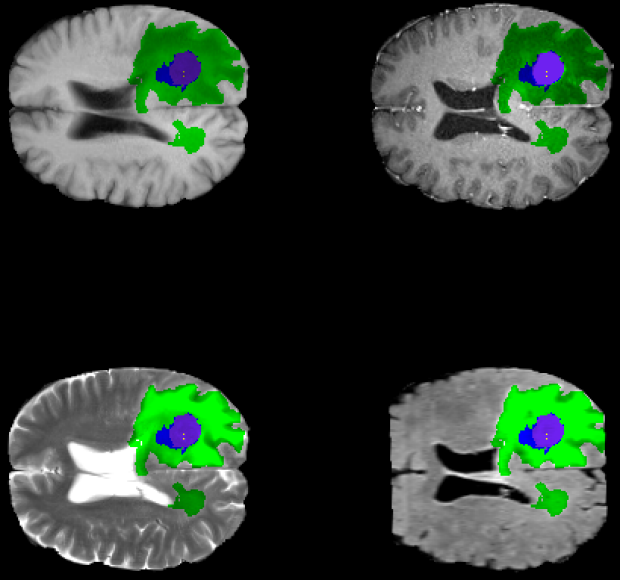
Meta-Learning & Drug Discovery
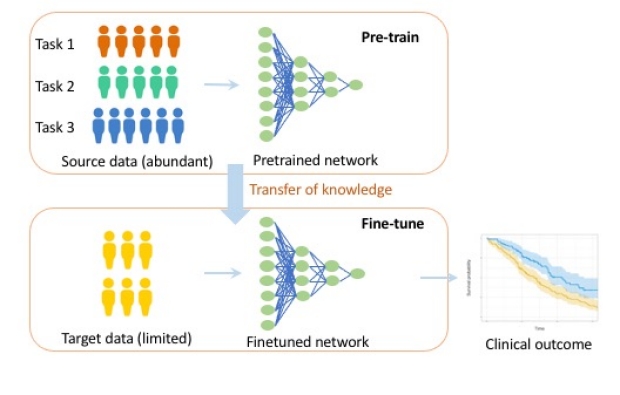
Biomedical AI is constrained by small sample sizes. We develop meta-learning approaches that leverage knowledge from large source-domain datasets to improve models in data-scarce target domains — reducing the data needed by an order of magnitude.
We also developed GeNNius, a graph neural network method for ultra-fast drug-target interaction inference (Bioinformatics, 2024), and contributed to network modeling for drug discovery via our NCI Cancer Target Discovery and Development (CTD²) collaboration.
NSD1 Inactivation & Immune Cold Tumors
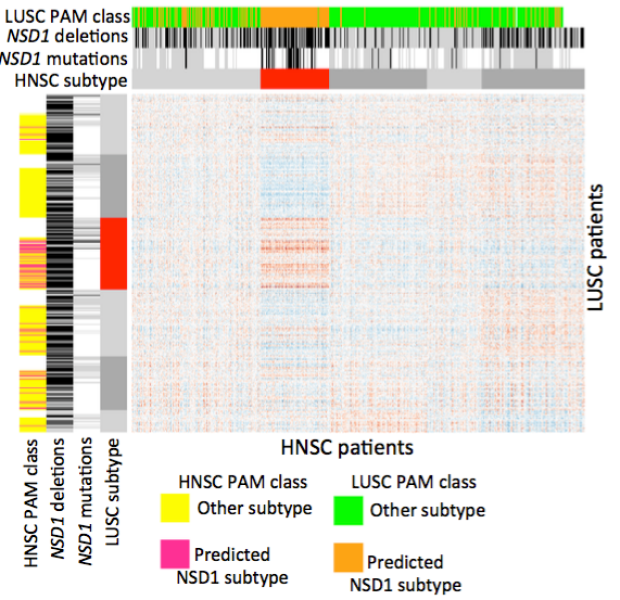
We characterized a DNA hypomethylated subtype of lung squamous cell carcinoma defined by NSD1 inactivation, showing strong overlap with a similar subtype in head and neck squamous cell carcinoma. This subtype displays an "immune cold" phenotype — low leukocyte infiltration and low PD-1/PD-L1 expression — with direct implications for immunotherapy selection.
See related publications →